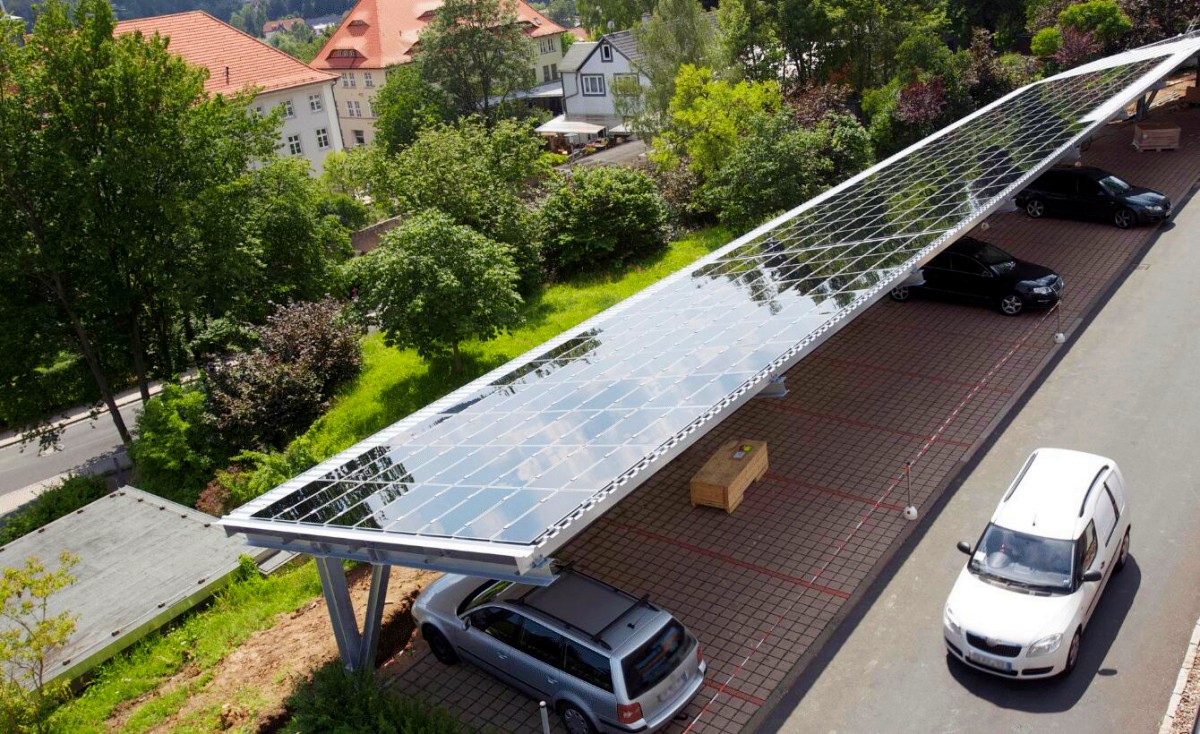
The best place for photovoltaic (PV) systems, which generate electricity from sunlight, typically depends on several factors. Here are some key considerations when determining the optimal location for a PV installation:
1. Solar Resource: The amount of sunlight available in a particular area is crucial for PV system performance. Regions with abundant sunlight and minimal shading are generally more favorable. Areas closer to the equator tend to receive higher solar irradiance and may be better suited for PV installations.
2. Orientation and Tilt: The orientation and tilt angle of the PV panels affect energy production. In the northern hemisphere, south-facing panels with an optimal tilt angle that maximizes sun exposure are usually recommended. However, the ideal orientation and tilt may vary depending on the specific latitude and local conditions.
3. Shading: PV panels should be placed in locations with minimal shading from trees, buildings, or other obstructions. Even partial shading on a panel can significantly reduce its energy output. Conducting a shade analysis to identify potential shading issues is important when selecting the installation site.
4. Roof Compatibility: If considering a rooftop installation, the condition, structure, and orientation of the roof need to be assessed. A roof in good condition and suitable for PV installation, with proper sun exposure and minimal shading, can be an excellent location for solar panels. However, it's essential to evaluate the structural load capacity and ensure the roof can support the additional weight of the PV system.
5. Land Availability: Ground-mounted PV systems require available land space. Large, unobstructed areas with good sun exposure are ideal for ground-mounted installations. Considerations such as land ownership, proximity to the electrical grid, and planning regulations need to be assessed when selecting land for a PV system.
6. Local Incentives and Regulations: It's important to consider any local incentives, such as rebates or tax credits, that may influence the financial viability of the PV installation. Additionally, understanding local regulations and permitting requirements is crucial to ensure compliance and a smooth installation process.
7. Energy Consumption and Grid Interconnection: Assessing the on-site energy consumption, both current and future, is essential to determine the appropriate size of the PV system. It's beneficial to consider the potential for grid interconnection, where excess electricity generated by the PV system can be fed back into the electrical grid, potentially generating credits or revenue.
Ultimately, the best place for a PV system depends on a comprehensive assessment of these factors, local conditions, and project-specific needs. Consulting with a solar professional or conducting a solar feasibility study can provide more accurate site-specific recommendations tailored to your requirements.